
Sandblasting & Bead Blasting
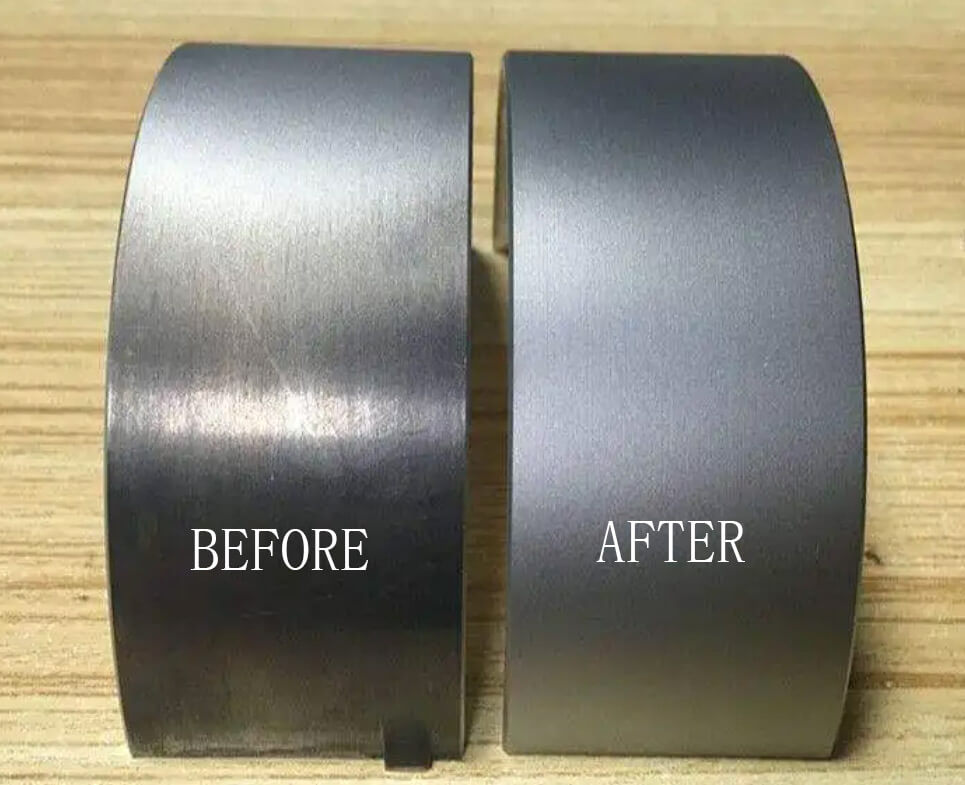
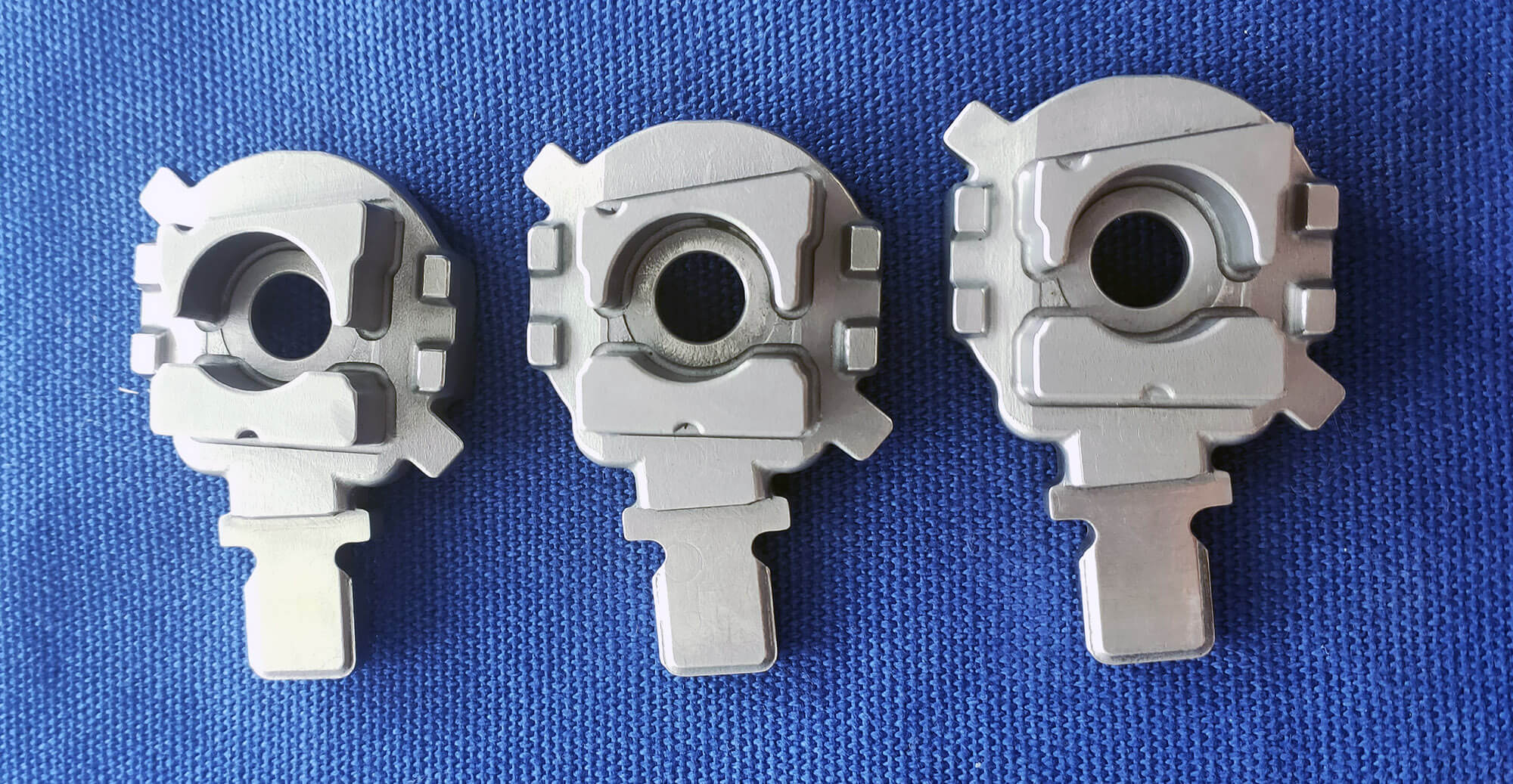
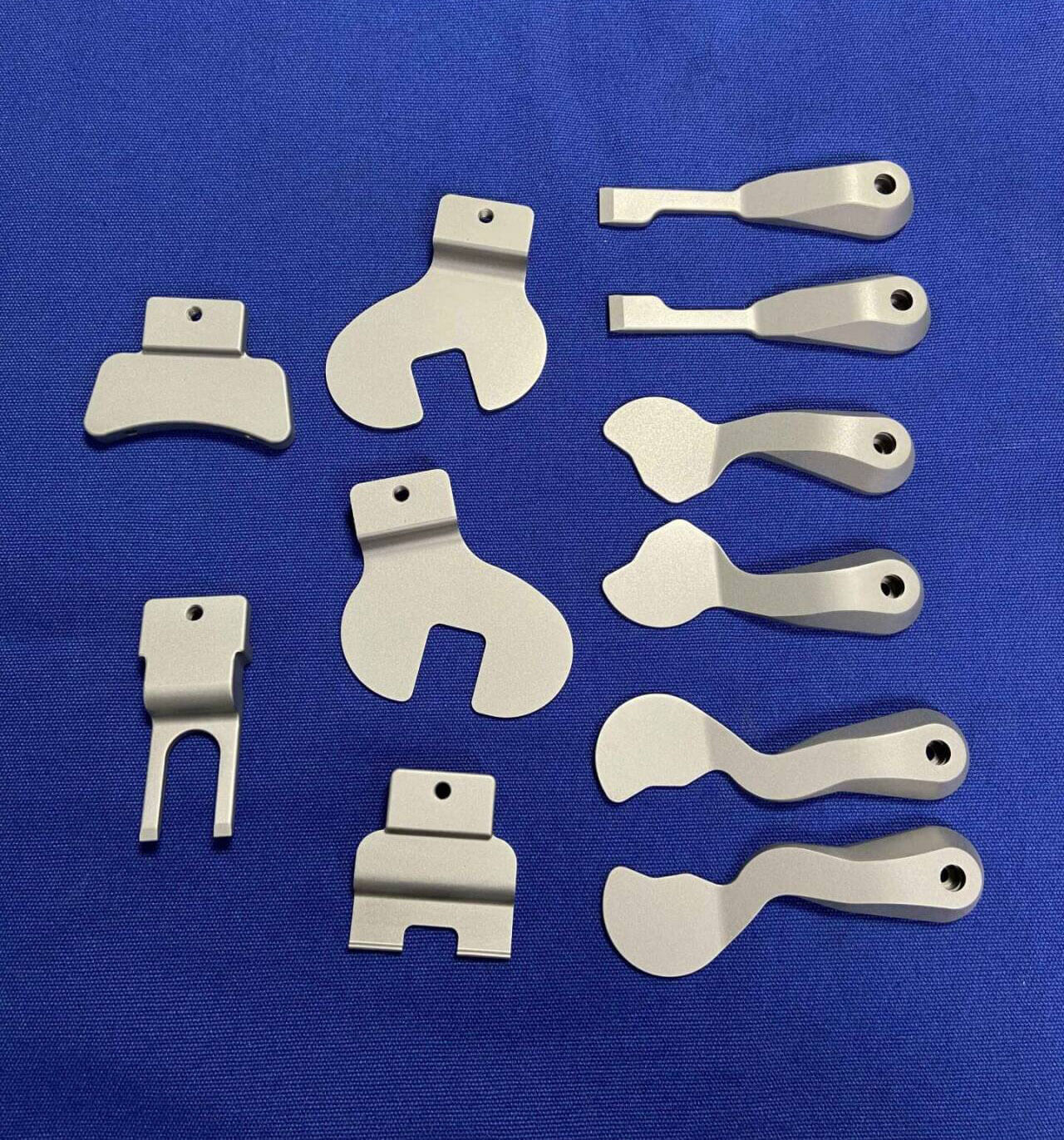
Abrasive blasting creates uniform matte surface finishes — used as a final aesthetic treatment, pre-coat preparation, or to remove tool marks and burrs from machined surfaces.
Finish Examples
Process Overview
Glass Bead Blasting
Fine, uniform satin finish without aggressive material removal. Ideal for stainless steel cosmetic parts and pre-anodizing preparation.
Aluminum Oxide Blasting
More aggressive media for removing heavy scale, rust, or preparing surfaces for adhesive bonding and coating.
Controlled Process
Pressure, media size, and exposure time controlled per material and desired Ra value. Masking available for selective areas.
Specifications
| Parameter | Specification |
|---|---|
| Media Types | Glass bead, aluminum oxide, ceramic, steel shot |
| Surface Finish | Ra 1.6–6.3 μm typical (matte satin) |
| Materials | Aluminum, stainless steel, steel, titanium, brass |
| Standards | ISO 8501, SSPC-SP16 |
| Masking | Threads, bores, and mating surfaces |
Compatible Materials
- Aluminum
- Stainless steel
- Carbon steel
- Titanium
- Brass and copper
Applications
- Pre-anodizing preparation
- Pre-powder coat surface prep
- Cosmetic matte finish
- Tool mark removal
- Uniform appearance on assemblies
Frequently Asked Questions
Sandblasting vs bead blasting — what is the difference?
Bead blasting uses round glass media for a peened, satin finish with minimal material removal. Sandblasting uses angular media for aggressive cleaning and rougher surfaces.
Will blasting affect tolerances?
Glass bead blasting removes negligible material (<5μm). Heavy aluminum oxide blasting can remove more — specify if tight tolerances apply and we protect critical surfaces.
Can you blast before anodizing?
Yes — bead blasting before anodizing is standard practice. It creates a uniform matte base that anodizes evenly and hides minor machining marks.
Need Sandblasting on Your Parts?
Upload your drawings and specify your finishing requirements — we'll quote machining and finishing together within 24 hours.
Request a Quote